Exosome Therapy in Newport Beach, CA

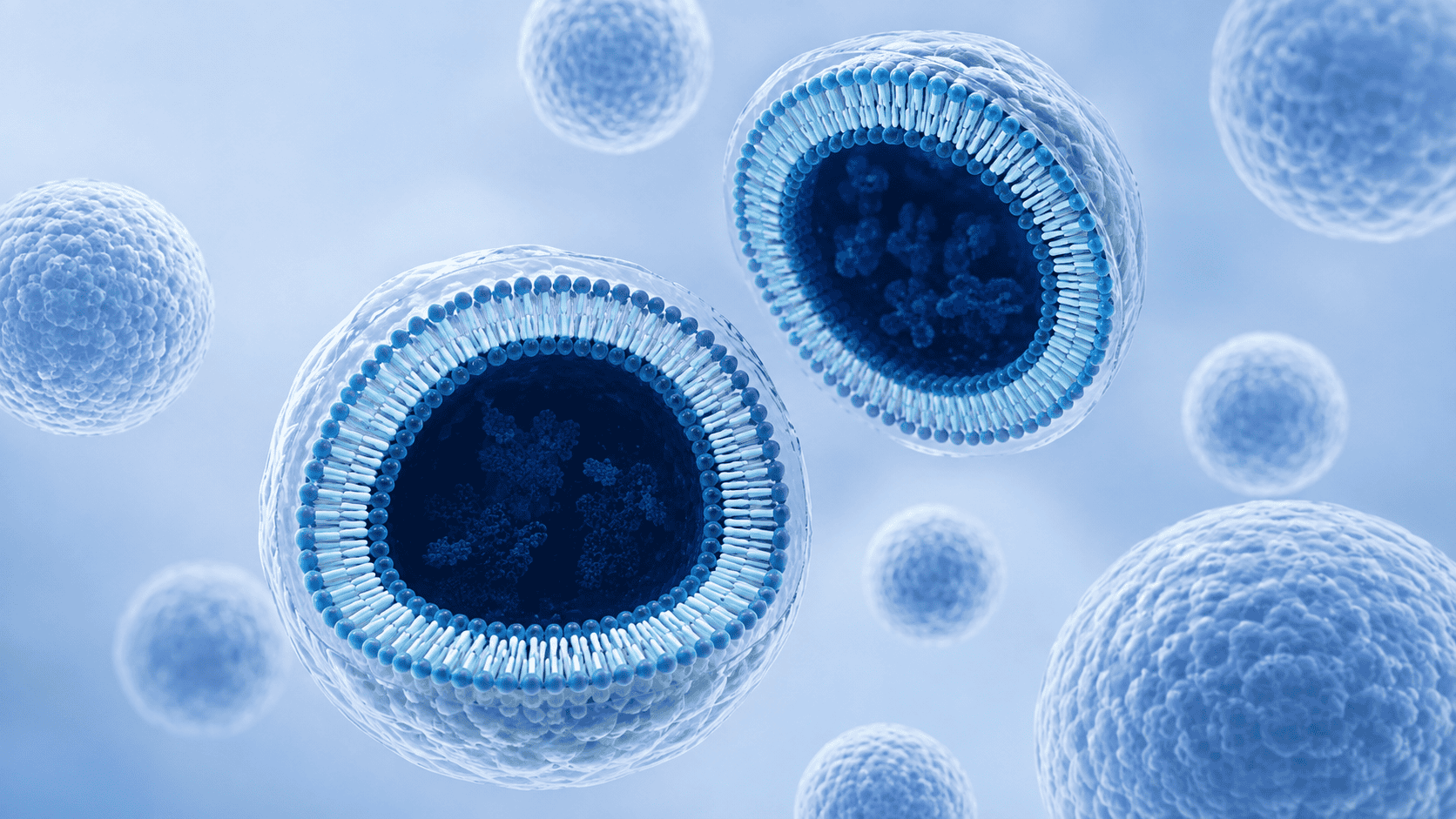
Exosomes are nanoscale extracellular vesicles — tiny membrane-bound particles naturally produced and released by cells throughout the body. Once thought to be little more than cellular waste, they’re now understood to be powerful biological messengers, carrying proteins, lipids, RNA, and other signals from one cell to another. When a cell needs to tell its neighbors to begin repairing tissue, calm inflammation, or grow new blood vessels, it packages that instruction inside an exosome and releases it into the surrounding tissue.

Exosomes are related to — but distinct from — stem cell therapy. A stem cell is a living cell that can develop into different tissue types; an exosome is closer to a message that cell sends to the tissue around it, without introducing a new living cell into the body. Dr. Gaurav Goswami offers exosome therapy in Newport Beach, most often derived from mesenchymal stem cell sources, as one part of a broader, image-guided regenerative medicine program.

Contact Us

How Exosome Therapy Fits Into Your Treatment Plan

Exosome therapy is rarely used on its own. Depending on the condition being evaluated, Dr. Goswami may discuss it alongside stem cell therapy, PRP therapy, or peptide therapy, since these approaches work through different but sometimes complementary mechanisms — stem cells and their exosomes work at a cellular and signaling level, while PRP relies primarily on growth factors already present in the patient’s own blood. For patients who want to preserve the option of using their own cells for a future regenerative treatment, exosome therapy is also sometimes discussed in the same conversation as stem cell banking, since banked cells can be a future source of a patient’s own exosomes as the science develops.

Contact Us

Exosome + Stem Cell Combination Therapy

For more advanced or complex conditions, Dr. Goswami sometimes recommends combining exosome therapy with stem cell therapy rather than using either alone. The clinical rationale: stem cells contribute structural repair — differentiating into needed tissue types and physically contributing to rebuilding damaged tissue — while exosomes work at the signaling level, helping calm the surrounding inflammatory environment and encourage the body’s own repair cells to become more active. Used together in a coordinated protocol, the two are intended to address different dimensions of the same healing process.

This combined approach is generally reserved for patients with more advanced joint degeneration, those who’ve had a single regenerative treatment with only partial improvement, or those managing a more complex, multi-tissue injury. It isn’t positioned as a default upgrade for every patient — Dr. Goswami will explain whether the combination, exosome therapy alone, or a different option altogether fits your specific evaluation.

Conditions Often Discussed Alongside Exosome Therapy

Because exosome therapy is generally used as part of a broader plan rather than in isolation, it comes up most often during evaluations for:

Joint conditions, including knee osteoarthritis, hip pain and arthritis, and shoulder injuries such as rotator cuff tears

Elbow conditions such as tennis elbow and golfer’s elbow pain

Plantar fasciitis and other tendon-related pain

Spinal disc and facet joint concerns evaluated through the clinic’s spine-focused program

Sports-related and overuse injuries in active patients, evaluated through the clinic’s sports medicine program

As with every service at The Goswami Clinic, whether exosome therapy has a role in any of these depends on an individual evaluation, not the diagnosis alone.

How Exosome Therapy Is Delivered

A typical course of treatment follows a consistent process:

1. Evaluation — Dr. Goswami reviews your medical history, prior imaging, and treatment goals to determine whether exosome therapy, alone or combined with another approach, is a reasonable fit.

2. Protocol design — if appropriate, he designs a plan specifying the exosome preparation, concentration, and injection targets for your specific condition.

3. Image-guided delivery — treatment is typically completed in a single outpatient visit, using ultrasound or fluoroscopic guidance to confirm precise placement rather than a blind injection.

4. Recovery and follow-up — most patients return to normal daily activity within 24 to 72 hours, with a personalized post-treatment plan and follow-up to assess how you're responding.

Exosomes vs. Stem Cells vs. PRP — How They Differ

Patients often ask how these three options relate to each other, since all three fall under the umbrella of regenerative medicine. Stem cell therapy involves cells that can develop into different tissue types and that also release their own exosomes as part of how they work. PRP therapy uses concentrated platelets from the patient’s own blood, rich in growth factors that trigger a healing response, but without the cell-signaling cargo exosomes carry. Exosome therapy isolates that signaling component on its own, without introducing whole cells. None of the three is universally “better” — Dr. Goswami discusses which one, or which combination, fits a specific condition, tissue type, and patient goal during your evaluation.

The same logic applies to comparisons patients often raise with cortisone injections and surgery: cortisone can suppress inflammation quickly but doesn’t address underlying tissue damage, and with repeated use can accelerate cartilage breakdown, while regenerative approaches aim to support repair rather than mask symptoms. For patients weighing joint replacement or another major surgery, exosome therapy — alone or combined with stem cell therapy — is sometimes discussed as a non-surgical option to explore first, with Dr. Goswami being direct about whether that’s a realistic path for your specific case.

Exosome Therapy in Newport Beach CA 2

What the Research Shows

Exosome research has grown quickly, and most of the evidence so far comes from laboratory and animal studies rather than large human clinical trials. A 2021 review in the International Journal of Nanomedicine examined 29 in vivo studies on exosomes and cartilage regeneration and found consistently promising results for cartilage and subchondral bone healing, with no significant complications reported — but the authors were clear that standardization across studies (how exosomes are isolated, dosed, and delivered) and further clinical research are still needed before firm conclusions can be drawn for widespread human use.

It’s also worth understanding where exosome therapy stands regulatorily. Exosome-based products are classified by the FDA as biological drugs, and as of this writing, no exosome product has received full FDA approval for the conditions discussed on this page. A recent pharmaceutical sciences review confirms this regulatory landscape and outlines the ongoing work — including standardized manufacturing and larger controlled trials — required before exosome therapies can be considered fully established treatments. Dr. Goswami, who also trains other physicians in regenerative medicine techniques through the clinic’s training program, discusses this evolving research landscape directly with patients rather than overstating where the science currently stands.

Is Exosome Therapy Right for You?

Because the evidence base is still developing, Dr. Goswami discusses exosome therapy candidly — including where it may help, where the data is limited, and how it compares to other options like stem cell or PRP therapy for your specific condition. Patients with certain active infections, some autoimmune conditions, or unrealistic expectations about guaranteed results are examples of situations where Dr. Goswami may recommend against exosome therapy or suggest a different option first.

Exosome Therapy in Newport Beach CA 3

Why Patients Choose The Goswami Clinic for Exosome Therapy

The exosome therapy market includes a wide range of providers, from dedicated regenerative medicine clinics to general wellness practitioners offering off-label infusions — and the physician’s experience, the quality of the exosome preparation, and the precision of delivery all affect outcomes. At The Goswami Clinic, that comes down to a few specific things:

Triple board certification in Surgery, Interventional Radiology, and Regenerative Medicine, with more than 15 years focused specifically on regenerative medicine

Image-guided injection precision, using the same imaging techniques behind interventional radiology, rather than a blind or generalized injection

Author of The Stem Cell Cure (Humanix Books) and a holder of a U.S. patent as a medical device inventor

An internationally recognized practice — read more on the About Us page — with patients traveling from throughout Orange County and internationally

 That reputation extends to some well-known names: Dr. Drew Pinsky, host of The Dr. Drew Podcast, chose The Goswami Clinic for stem cell regenerative treatment of his shoulder rather than surgery — one example of the range of patients who have sought out Dr. Goswami’s specific combination of credentials and image-guided technique.

Frequently Asked Questions

Is exosome therapy the same as stem cell therapy?

No. Exosomes are signaling particles released by cells, not the cells themselves. They’re related to stem cell science but work through a different mechanism, and they’re discussed as a distinct option during your evaluation.

No exosome product currently has full FDA approval for the conditions discussed on this page. Dr. Goswami will explain the current regulatory status directly as part of your consultation.

Most patients describe it similarly to any image-guided injection. Some discomfort at the injection site is common, and Dr. Goswami will discuss what to expect for your specific treatment area.

That depends on the condition being treated and how you respond. Dr. Goswami will discuss a specific plan, including whether more than one session is likely to be recommended, during your evaluation.

Most patients begin to notice improvement within four to eight weeks, with continued progress over the following three to six months as tissue-level changes consolidate. Results vary by condition, severity, and overall health.

When performed by an experienced physician using quality-tested preparations, exosome therapy has shown a favorable safety profile in clinical use. Because it doesn’t introduce live cells, its risk profile differs from cell-based treatments — Dr. Goswami will review your specific risk factors during your evaluation.

Exosome therapy for musculoskeletal and regenerative applications is not yet FDA-approved as a standalone treatment, though ongoing clinical research is actively advancing the field. As required under California law, this physician performs regenerative therapies that have not yet received FDA approval, and patients are encouraged to consult with their primary care provider and review available research.

The Goswami Clinic serves Newport Beach and all of Orange County. To find out whether exosome therapy has a role in your treatment plan, schedule a free phone consultation.

Targeted Regenerative Care

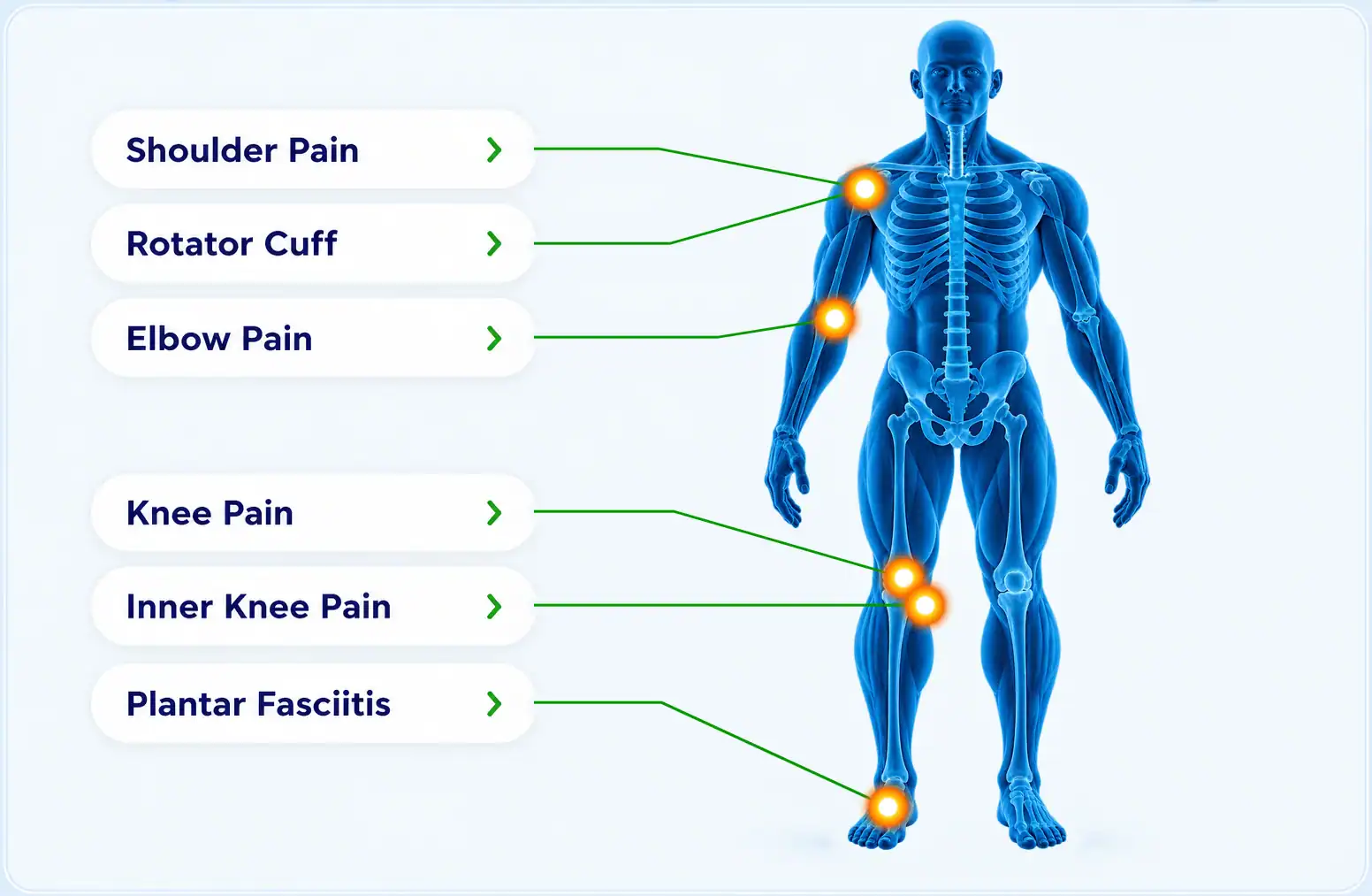
Explore Areas We Treat

At The Goswami Clinic in Newport Beach, we use advanced regenerative and stem-cell-based therapies to help you heal, restore function and get back to the life you love.

Select an area to learn more.

Natural Healing

Stimulate your body's own repair process

Improved Function

Get back to what you love

Non-Surgical Options

Real solutions beyond medication

Personalized Care

Expert, one-on-one treatment plans

Targeted Regenerative Care

Explore Areas We Treat

At The Goswami Clinic in Newport Beach, we use advanced regenerative and stem-cell-based therapies to help you heal, restore function and get back to the life you love.
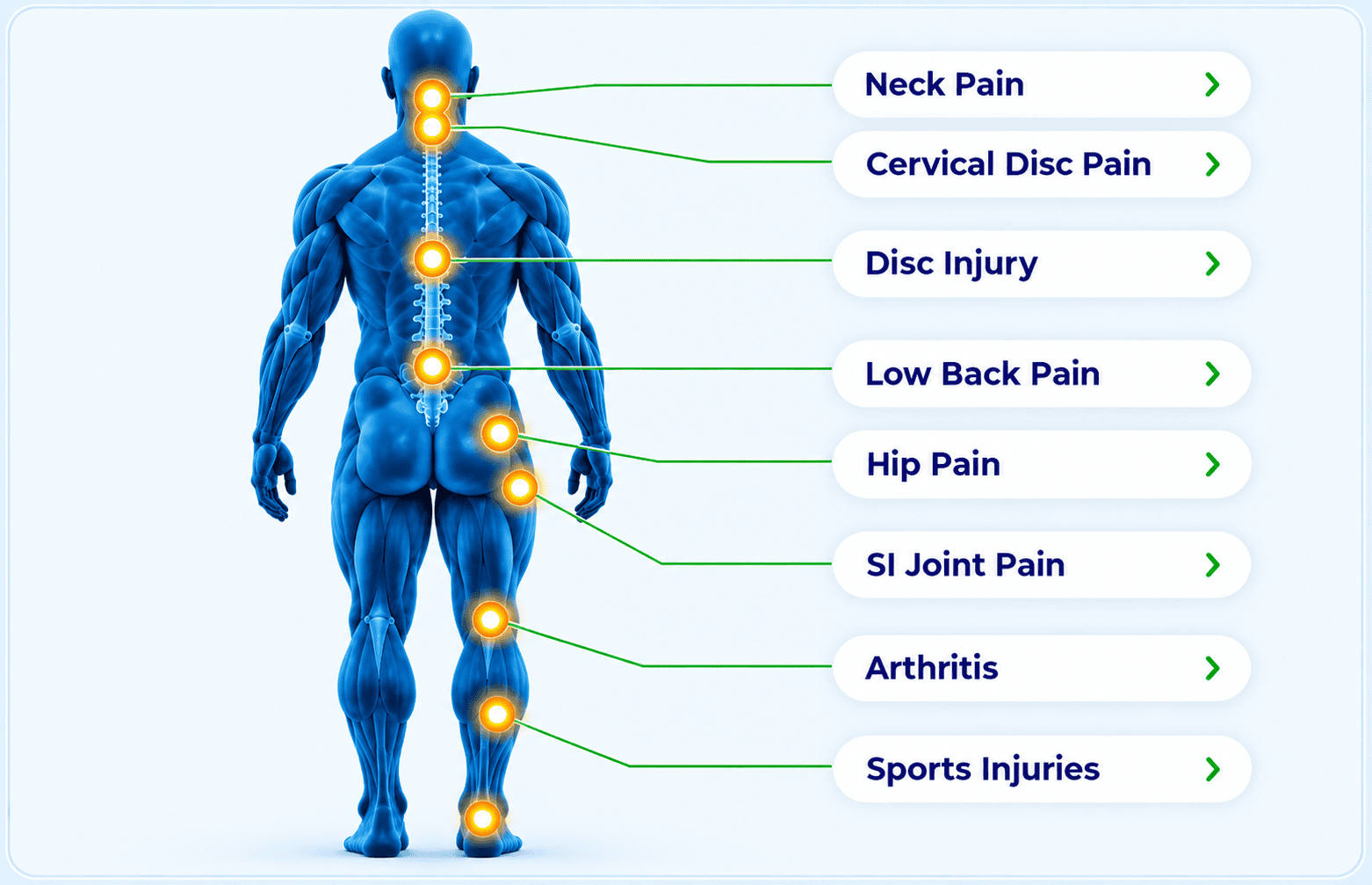
Tap an area to learn more.
Natural healing, improved function, non-surgical options and personalized care