

Advanced Regenerative Medicine
Advanced Regenerative Medicine
- The Goswami Clinic
Shockwave Therapy for Arthritis: A Non-Surgical Option for Joint Pain Relief
If arthritis pain is making it difficult to stay active, enjoy your favorite activities, or simply get through the day comfortably, you’re not alone. Arthritis affects millions of people and is one of the leading causes of joint pain and stiffness.
While medications and surgery are often discussed as treatment options, many people are looking for alternatives that don’t involve long recovery periods or invasive procedures. One option that has gained attention in recent years is shockwave therapy.
But can shockwave therapy help arthritis? And how does it compare to other treatment options?
Let’s take a closer look.
Contact Us
Key Takeaways
- Shockwave therapy is a non-invasive treatment that uses acoustic waves to stimulate healing.
- It may help reduce pain and improve function in some individuals with arthritis.
- Treatment is performed in the office and requires little to no downtime.
- Shockwave therapy may be an option for patients seeking alternatives to surgery.
- A personalized evaluation can help determine whether shockwave therapy is right for you.
Contact Us
What Is Arthritis?
Arthritis is a broad term used to describe inflammation and degeneration within the joints. The most common form is osteoarthritis, which occurs when the protective cartilage that cushions the joints gradually wears down over time.
As arthritis progresses, you may experience pain, stiffness, swelling, reduced mobility, and difficulty performing everyday activities.
Although arthritis most commonly affects the knees, hips, shoulders, and hands, it can develop in almost any joint throughout the body.
For many people, symptoms worsen over time, making it important to explore treatment options before the condition begins to significantly impact quality of life.
What Is Shockwave Therapy?
Shockwave therapy, also known as extracorporeal shockwave therapy (ESWT), is a non-surgical treatment that uses acoustic waves to stimulate the body’s natural healing response.
Despite the name, shockwave therapy does not involve electrical shocks. Instead, a specialized device delivers controlled sound waves to the affected area.
These acoustic waves interact with tissues beneath the skin and are believed to stimulate circulation, cellular activity, and healing processes within the body.
Shockwave therapy has been used for a variety of musculoskeletal conditions and is increasingly being explored as a treatment option for chronic joint pain associated with arthritis.
How Does Shockwave Therapy for Arthritis Work?
While arthritis cannot be reversed, treatment often focuses on reducing pain, improving mobility, and helping patients maintain an active lifestyle.
Shockwave therapy is thought to work by stimulating biological responses within the affected tissues. Research suggests it may help increase blood flow, encourage tissue repair, and support cellular processes involved in healing.
The treatment may also influence pain signaling pathways, which may help explain why some patients experience symptom relief following treatment.
Because the therapy works by stimulating the body’s own healing mechanisms, improvements often occur gradually over time rather than immediately after a single session.
Can Shockwave Therapy Help Arthritis Pain?
For some patients, it may.
Many individuals seek shockwave therapy because they want a treatment option that doesn’t involve surgery, lengthy downtime, or ongoing reliance on pain medications.
Research suggests that shockwave therapy may help reduce pain and improve function in certain individuals with osteoarthritis and other chronic musculoskeletal conditions. However, results can vary depending on factors such as the severity of arthritis, overall health, and the specific joint being treated.
Like many conservative treatments, shockwave therapy is not a cure for arthritis. Instead, it is designed to help manage symptoms and support joint function.
Which Types of Arthritis May Benefit?
Shockwave therapy is most commonly used for osteoarthritis and chronic joint pain.
Patients experiencing knee arthritis often seek treatment to help reduce discomfort and improve mobility. Others pursue shockwave therapy for hip pain, shoulder arthritis, or other degenerative joint conditions.
The best candidates are typically individuals with mild to moderate arthritis who are looking for non-surgical treatment options.
A comprehensive evaluation can help determine whether shockwave therapy is likely to be appropriate for your specific condition.
What Are the Benefits of Shockwave Therapy?
One reason shockwave therapy has become increasingly popular is that it offers several potential advantages compared to more invasive procedures.
The treatment is performed in the office and does not require anesthesia or surgical incisions. Most patients can return to their normal activities shortly after their appointment.
Because there is little downtime, shockwave therapy may be an appealing option for individuals who want to remain active while addressing chronic joint pain.
Many patients also appreciate having a drug-free treatment option that may be incorporated into a broader arthritis management plan.

What Happens During Treatment?
Shockwave therapy sessions are relatively straightforward.
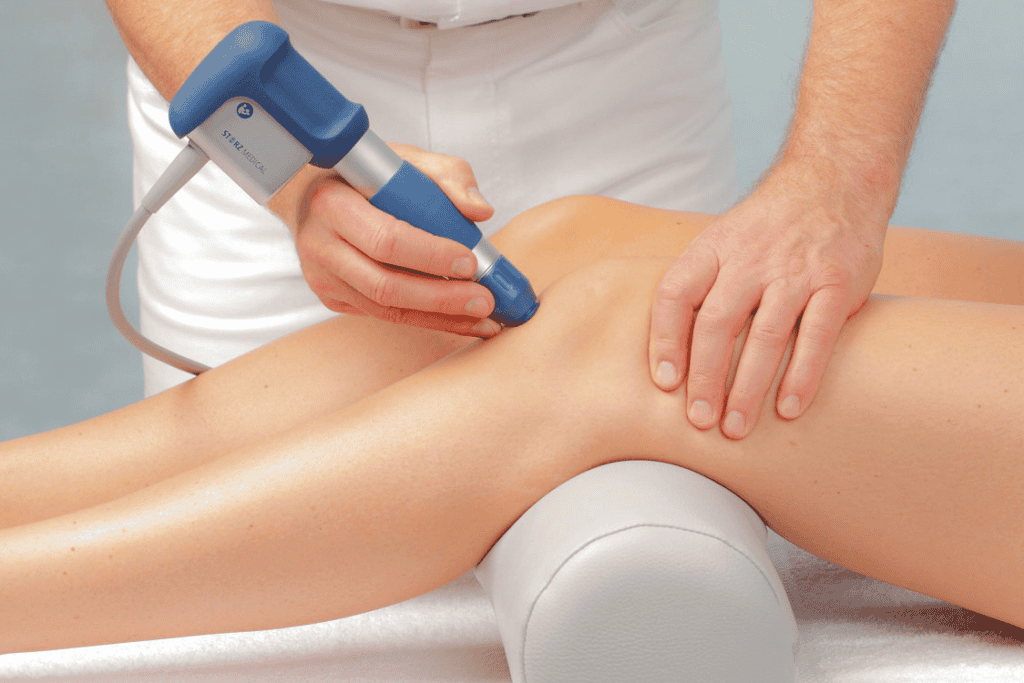
During treatment, a handheld device is applied to the skin over the affected joint. Acoustic waves are then delivered to the targeted area.
Most sessions last only a short time, and many patients describe the treatment as mildly uncomfortable but tolerable.
Depending on your condition and treatment goals, multiple sessions may be recommended to achieve the best possible results.
What Does the Research Say?
Research suggests that shockwave therapy may help reduce pain and improve function in people with knee osteoarthritis. A randomized clinical trial published in Advanced Biomedical Research evaluated 42 patients with knee osteoarthritis who received either focused extracorporeal shockwave therapy or a sham treatment. Both groups received standard conservative care, but only one group received active shockwave therapy.
After 12 weeks, patients who received focused shockwave therapy experienced significantly greater improvements in pain levels and knee-related quality of life compared to the control group. The researchers also found improvements in daily living activities among patients who received shockwave therapy. Importantly, no significant complications or adverse effects were reported during the study.
Based on these findings, the authors concluded that focused shockwave therapy may help relieve osteoarthritis pain and improve knee function. The results suggest that shockwave therapy may be a promising non-surgical treatment option for individuals looking to manage arthritis symptoms and remain active.
Shockwave Therapy vs Other Arthritis Treatments
There is no single treatment that works for every patient with arthritis.
Depending on your condition, treatment options may include physical therapy, activity modification, medications, regenerative medicine treatments, injections, or surgery.
Shockwave therapy is often considered part of a comprehensive treatment strategy rather than a standalone solution. For some patients, combining therapies may provide the greatest opportunity for long-term symptom management.
The most effective treatment plan is one that is tailored to your individual needs, symptoms, and goals.
Looking for Arthritis Treatment Near You?
Living with arthritis doesn’t mean you have to accept chronic pain as your new normal.
If joint pain, stiffness, or reduced mobility are affecting your daily life, exploring non-surgical treatment options may help you stay active and maintain your quality of life.
At The Goswami Clinic, we take a personalized approach to arthritis care. Whether you’re interested in shockwave therapy or other non-surgical solutions, our team can help you understand your options and develop a treatment plan designed around your needs.
Contact The Goswami Clinic today to schedule a consultation and learn whether shockwave therapy may be right for you.
Frequently Asked Questions
Does shockwave therapy work for arthritis?
Research suggests that shockwave therapy may help reduce pain and improve function in some individuals with arthritis, particularly osteoarthritis. Results can vary depending on the severity of the condition and individual patient factors.
Is shockwave therapy painful?
Most patients tolerate treatment well. While some discomfort may occur during the procedure, sessions are generally brief and do not require anesthesia.
How many shockwave therapy sessions are needed for arthritis?
Treatment recommendations vary depending on the condition being treated. Many patients undergo a series of sessions over several weeks to achieve optimal results.
Is shockwave therapy better than surgery for arthritis?
Shockwave therapy is not intended to replace surgery in every case. However, it may offer a non-surgical option for patients seeking symptom relief before considering more invasive procedures.
When should I seek treatment for arthritis?
If joint pain, stiffness, swelling, or reduced mobility are affecting your daily activities, it’s a good idea to schedule an evaluation to discuss your treatment options.